Highly highly highly recommend the tasting menu. It’s a type of cuisine you don’t often get a chance to try. You might as well get to experience the full range of it. And man did it deliver. Absolutely loved it and will be back
Overview
Walking into Prubechu feels like stepping into a story that’s been simmering for generations. I remember my first visit clearly because the aromas hit before I even sat down-warm coconut, charred meats, and a faint tang of vinegar that made me instantly hungry. This spot at 2224 Mission St #A, San Francisco, CA 94110, United States isn’t flashy, but it doesn’t need to be. It’s grounded, confident, and deeply rooted in Chamorro culture from Guam, something you don’t come across often in the city’s packed diner scene.
The menu reads like a family notebook passed down through time, and that’s intentional. The owners have spoken openly in interviews about preserving recipes that were traditionally cooked at home rather than in restaurants. That approach shows in dishes like kelaguen, where grilled meat is chopped and dressed with lemon, coconut, and hot peppers. I once watched a server explain the process to a curious table nearby, breaking down how acidity replaces heat in the curing step. It’s the same method used across the Pacific for generations, and food historians from organizations like the Smithsonian have documented similar techniques as some of the earliest forms of preservation.
One thing that stands out is how carefully the kitchen balances authenticity with local sourcing. According to USDA data, using fresh, locally sourced produce can retain up to 20 percent more nutrients compared to long-haul ingredients, and you can taste that freshness here. The vegetables are crisp, the meats are responsibly raised, and the seafood rotates based on availability. During one visit, a special featuring local rockfish sold out before 7 p.m., which the staff chalked up to word-of-mouth reviews spreading fast in the neighborhood.
Speaking of reviews, the buzz around this place isn’t accidental. I’ve followed its growth over the years, watching it earn praise from established food critics and everyday diners alike. When respected culinary institutions like the James Beard Foundation start recognizing underrepresented cuisines, it validates what regulars already know: this food matters. It tells a story that’s bigger than a single plate.
Service here feels personal without being intrusive. On a slower afternoon, I chatted with a server who explained how certain dishes change slightly depending on seasonal ingredients. That transparency builds trust, especially in an era where diners care deeply about what they’re eating and where it comes from. According to a 2023 National Restaurant Association report, over 70 percent of diners value clear ingredient sourcing, and this spot delivers that without turning it into a lecture.
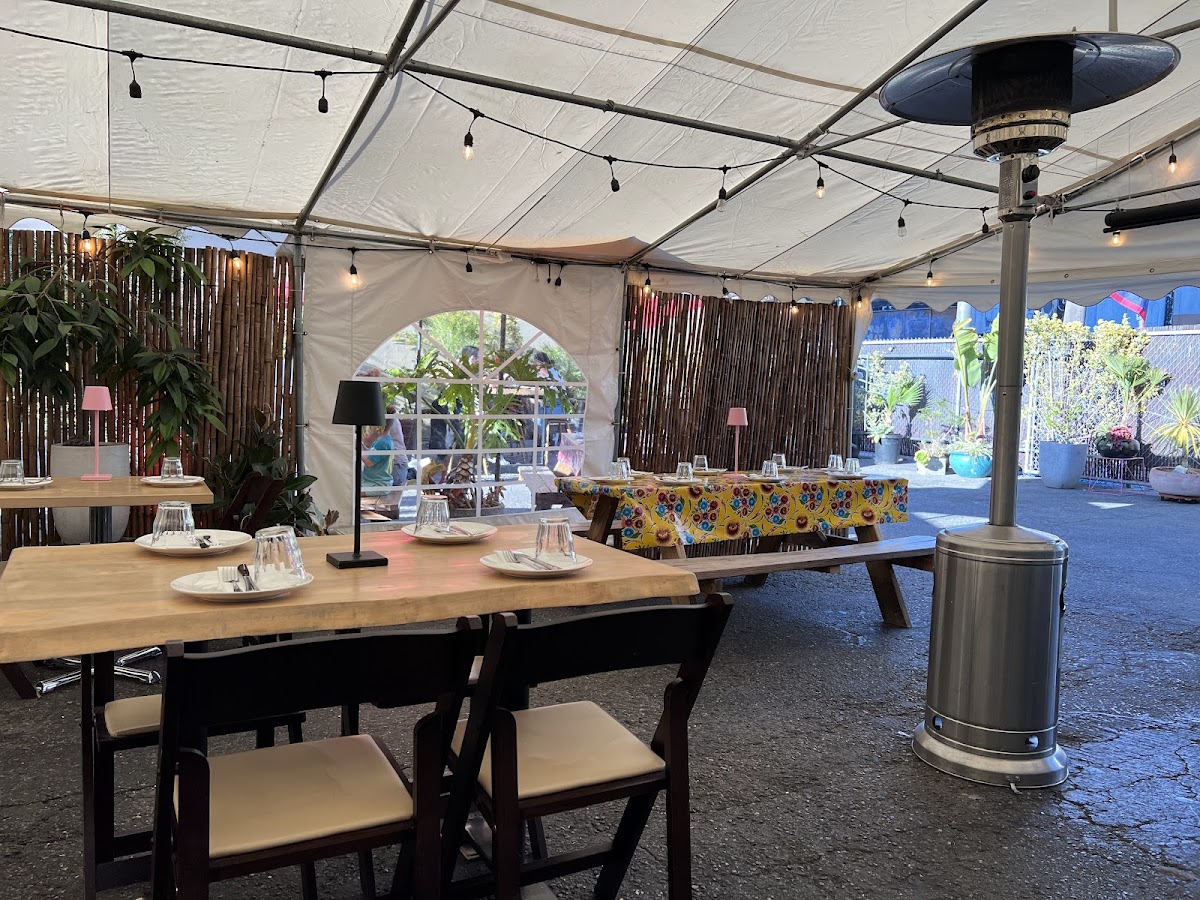
The dining room itself is modest, with warm wood tones and subtle island-inspired details. Nothing feels staged. It reminds me of the casual diners back home where conversation flows easily and meals stretch longer than planned. You’ll hear laughter from neighboring tables and see plates being passed around for sharing, which feels right given how communal the food is meant to be.
There are limitations worth mentioning. Seating is tight, and during peak hours, waits can stretch longer than expected. Some menu items also sell out early, which can disappoint first-timers. Still, those gaps are part of what makes the experience feel real rather than mass-produced.
What keeps me coming back is how confidently this restaurant stands in its identity. It doesn’t dilute flavors or over-explain itself. Instead, it invites you to slow down, taste carefully, and appreciate a cuisine that deserves its place in San Francisco’s diverse food landscape. Every visit reinforces why it continues to earn strong reviews and why its location has become a quiet landmark for anyone serious about exploring honest, soulful cooking.
Good to know
Service options
✓ Outdoor seating ✓ Delivery ✓ Takeout ✓ Dine-inHighlights
✓ Fast service ✓ Great beer selection ✓ Live musicPopular for
✓ Lunch ✓ Dinner ✓ Solo diningAccessibility
✓ Wheelchair accessible entrance ✓ Wheelchair accessible restroom ✓ Wheelchair accessible seating ✓ Assistive hearing loop ✓ Wheelchair accessible parking lotOfferings
✓ Alcohol ✓ Beer ✓ Cocktails ✓ Coffee ✓ Comfort food ✓ Small plates ✓ Vegan options ✓ Vegetarian options ✓ WineDining options
✓ Brunch ✓ Lunch ✓ Dinner ✓ Catering ✓ Counter service ✓ Dessert ✓ Seating ✓ Table serviceAmenities
✓ Bar onsite ✓ Gender-neutral restroom ✓ Restroom ✓ Wi-Fi ✓ Wi-FiAtmosphere
✓ Casual ✓ Cozy ✓ TrendyCrowd
✓ Family-friendly ✓ Groups ✓ LGBTQ+ friendly ✓ Tourists ✓ Transgender safespacePlanning
✓ Brunch reservations recommended ✓ Dinner reservations recommended ✓ Accepts reservationsPayments
✓ Credit cards ✓ Debit cards ✓ NFC mobile payments ✓ Credit cardsChildren
✓ Good for kids ✓ High chairs ✓ Kids' menuParking
✓ Free street parking ✓ Paid street parking ✓ ParkingPhotos
1 / 4
Location
Reviews
- No ratings yet 505 reviews
Prubechu has a really great vibe and the staff was super friendly and welcoming. The chicken wings and coconut braised cassava were my favorites and the shrimp and grits where also delicious.
Phenomenal food, plenty of options for meat eaters and vegans alike. The staff are the absolute sweetest folks and I love to hear “hafa adai” when I come in! Their food is a little on the fancier side and not exactly fiesta style so be prepared for smaller portions but the flavors are fantastic. I love the bereghenas, sweet potatoes, iceberg salad and tamale. Friends love the kelaguen and I haven’t had a single complaint when I have brought people here for dinner. Sometimes they have live music and events as well.
Easily one of the most satisfying meals I've ever had. As someone who grew up in Guam, this restaurant captures the nostalgia that you'd expect from a Guamanian restaurant with a surprisingly elevated twist. I had lunch there on a Wednesday and the staff was attentive but relaxed, which was so fitting for how things work in Guam. Nobody is in a hurry and it gave me a chance to just relax and enjoy the cozy outdoor patio. I had the corn soup, koko wings, beef tinaktak, chicken kelaguen, red rice, and the banana donuts with fresh whipped cream. Yes, I ordered all of that, and yes, it was just me. Mind your business. Every dish held a wonderful surprise twist that elevated it beyond my expectations. The corn soup was actually served chilled, which is SUPER non-traditional. Even in Guam's humid heat, we eat corn soup piping hot in a crunchy, edible cup. This corn soup was refreshing and exciting with fresh corn and basil and a super crunchy topping that brought an insane texture juxtaposition. The wings were crunchy and super juicy. The tinaktak was served over house made noodles, which is also not traditional, but it was delicious. The banana donuts had a crispy exterior with a gooey center and were served with fresh whipped cream. Honestly I'm still reeling from this meal. This is a MUST-TRY if you're in San Francisco.
Super good for eating out with friends, they have many big tables especially outside well spaced, cute atmosphere Miche-nada is an excellent non alc drink I found this food to be oversalted, really taking away from my ability to taste the flavors presented. Because what I was tasting was really good until I would be overwhelmed by salt. I would keep my eye out for this cuisine again and I really wish the food wasn't so salty. The only thing I could really eat happily was the tinaktak and red rice. And the roll.
First time visit was amazing! The food is so good, wanted to order everything in the menu. The ribs are a must order along with the empanadas. We also had a shrimp dish that was like ceviche and was so good. The iceberg lettuce wedge had a wasabi dressing that is amazing. The service was top notch and our server suggested on of the menu own of lamb neck. If you like lamb you need to order this. Can't wait to go back and bring friends.